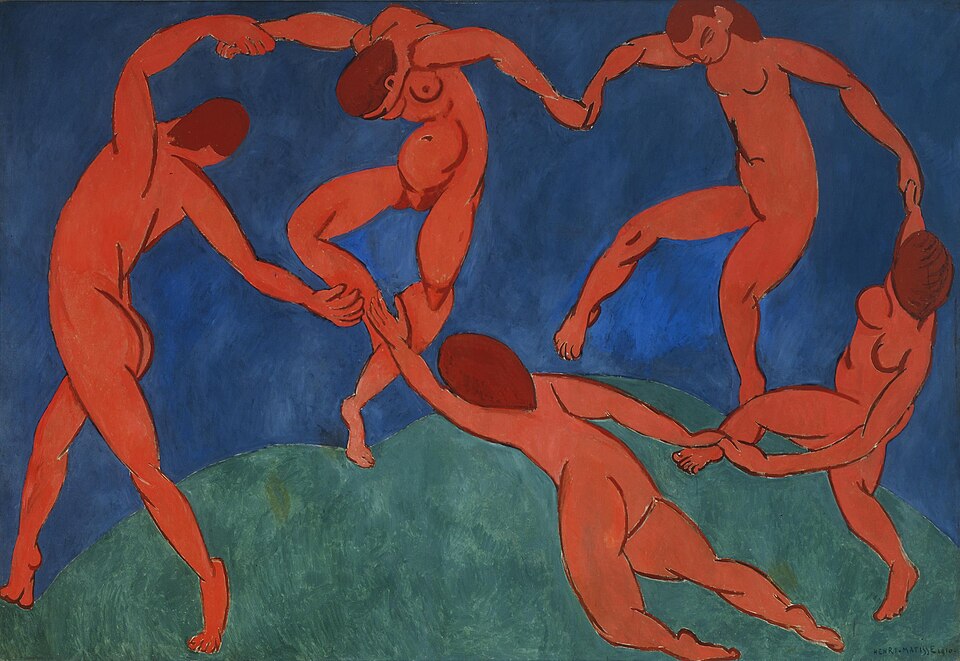
Henri Matisse
Fauvism
Eight artists whose work transformed the philosophy of perception, emotion, and representation.
Fauvism
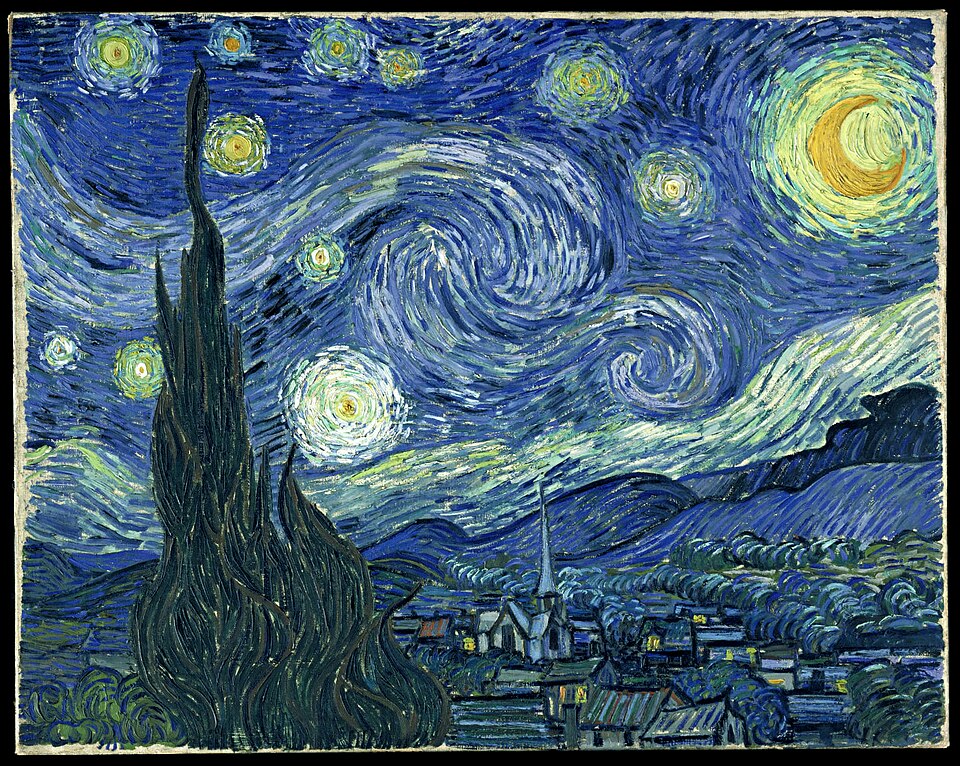
Post-Impressionism
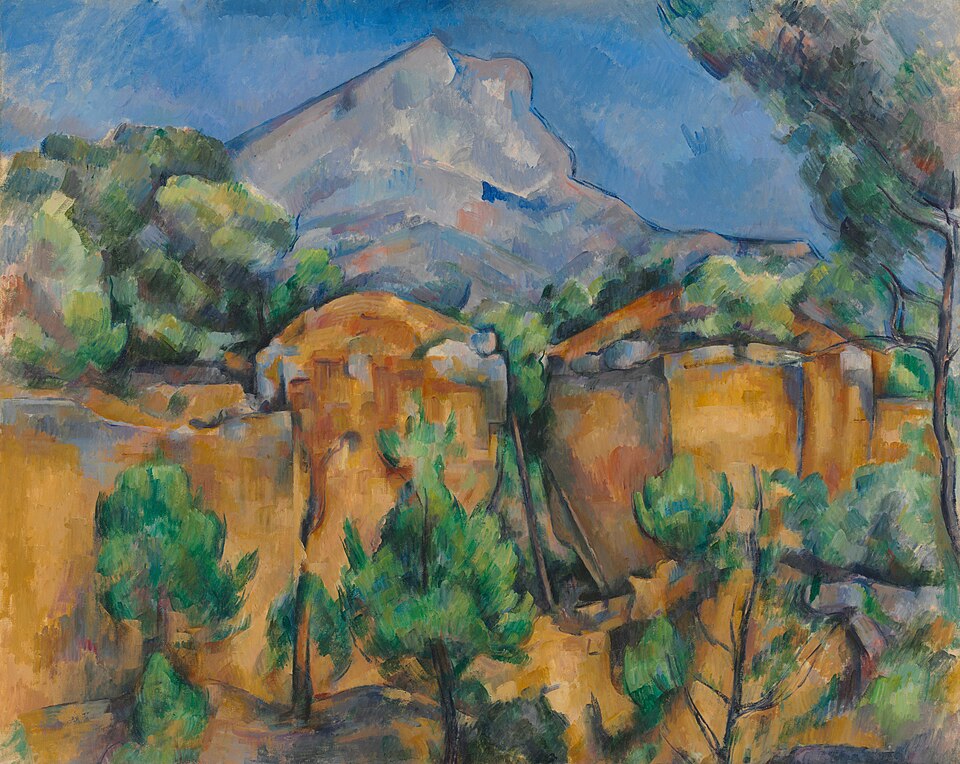
Post-Impressionism
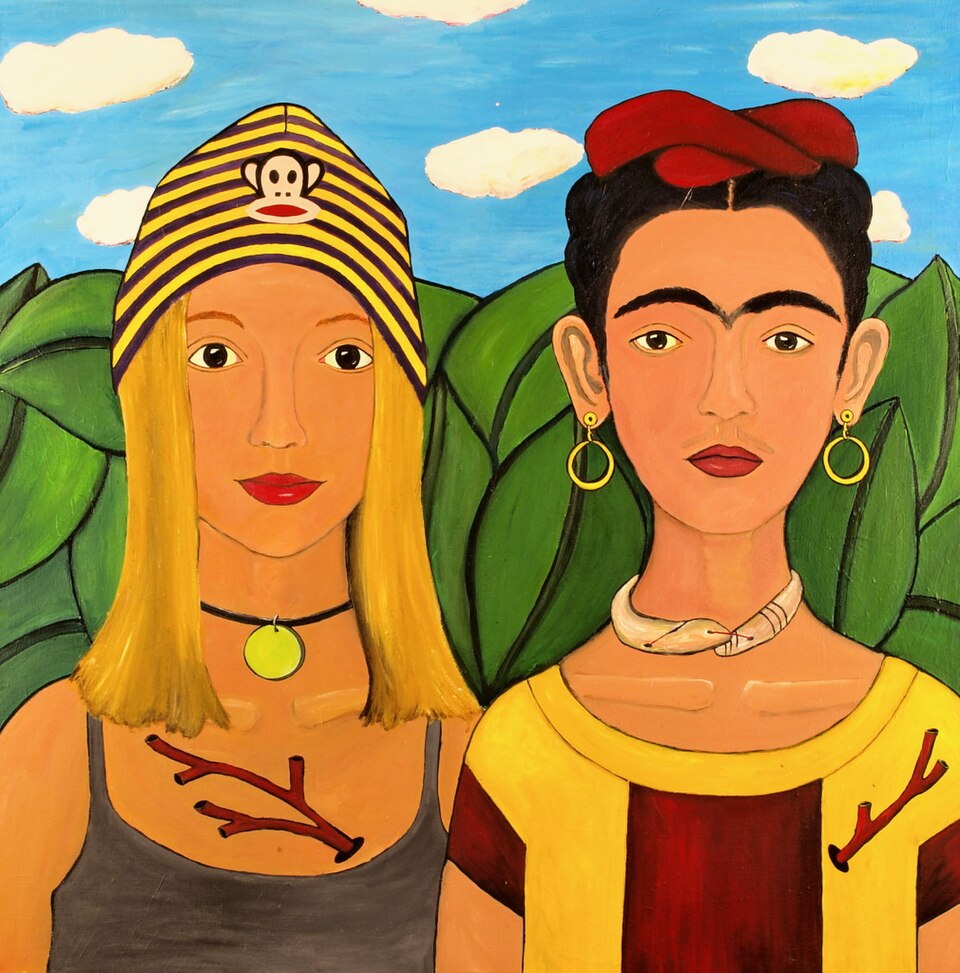
Magical Realism
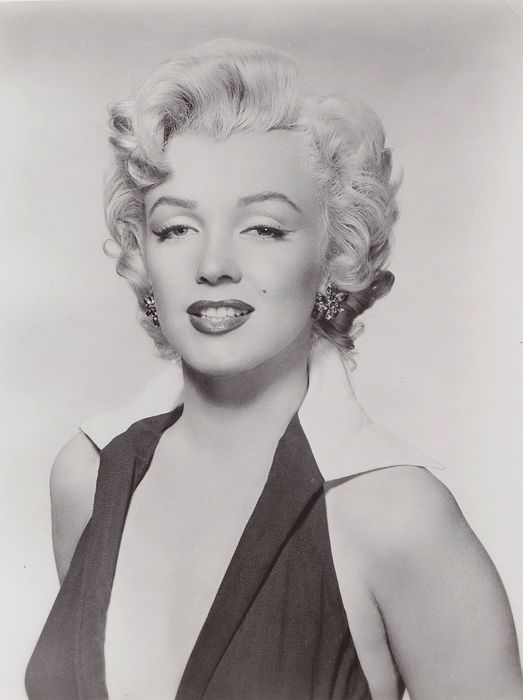
Pop Art
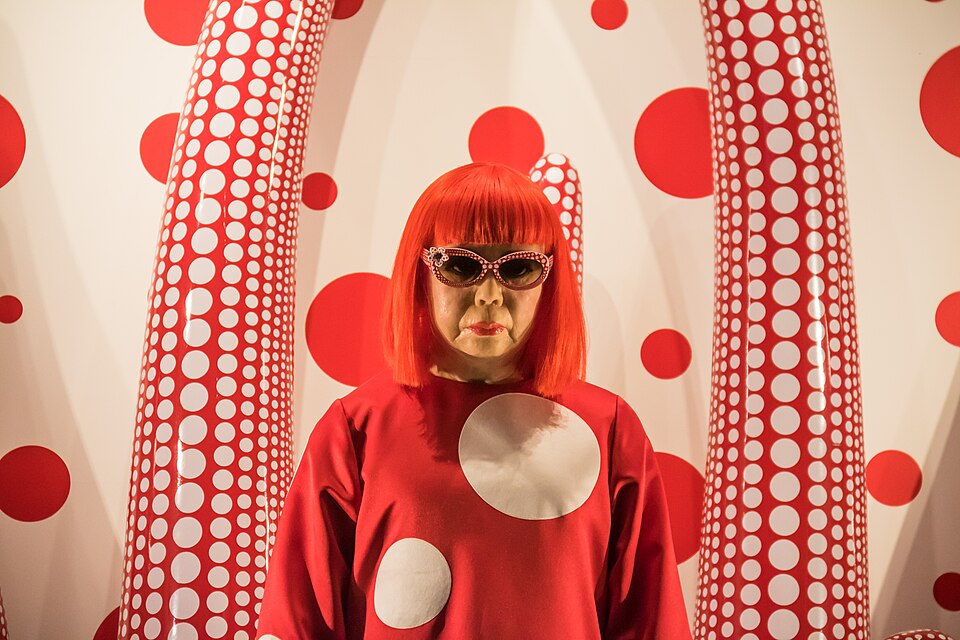
Avant-Garde
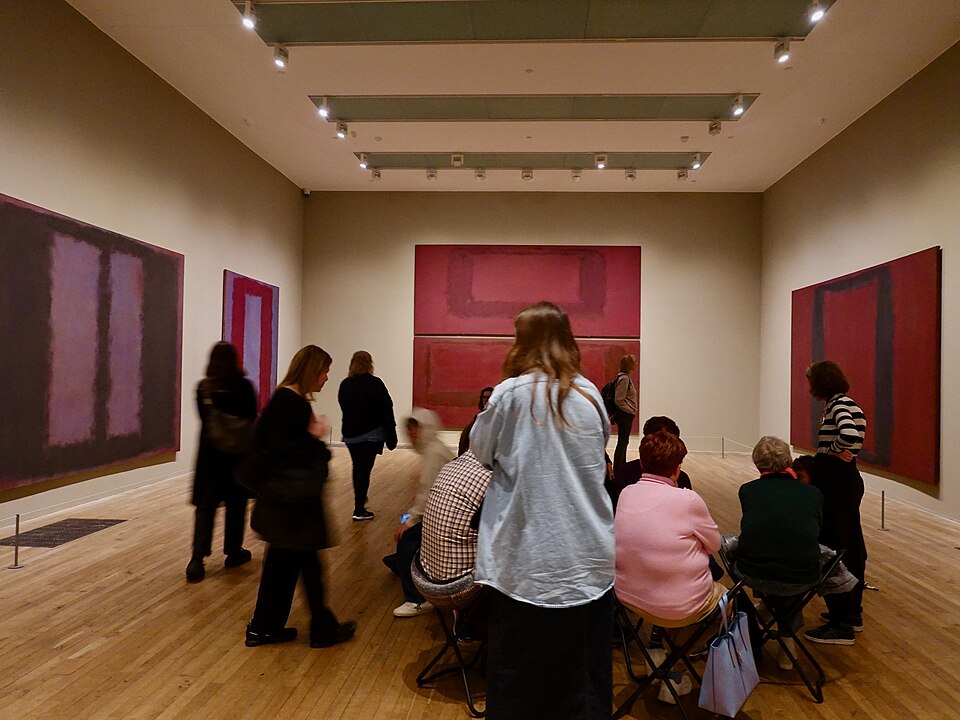
Abstract Expressionism
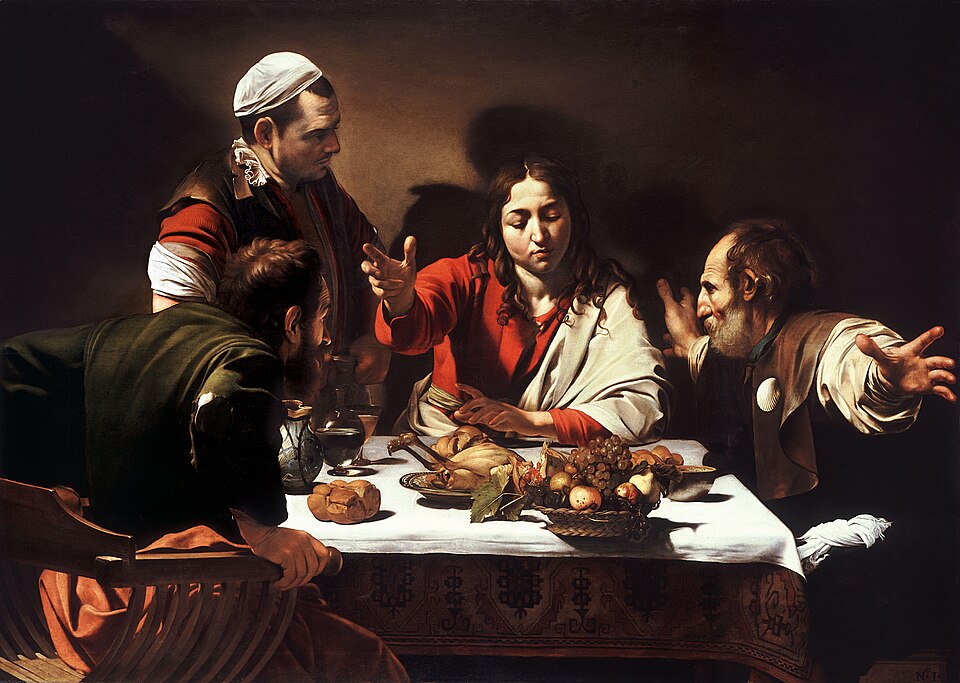
Baroque
Seven philosophers whose theories of beauty, power, and being reshaped how we understand the act of creation.
A classical philologist who became philosophy’s most dangerous poet. His lucid intervals between migraines reshaped art, literature, and psychology.
Two creative drives meet in tragedy: Apollonian form and Dionysian dissolution. Great art requires both.
Art is life’s supreme affirmation against meaninglessness. We have art in order not to die of the truth.
A solitary philosopher whose pessimism made desire the engine of suffering and contemplation its temporary release.
The world appears as representation, driven beneath by a blind, restless Will that can never be finally satisfied.
Aesthetic attention suspends desire. In contemplating art, the individual briefly becomes a pure, will-less subject of knowledge.
A central and controversial twentieth-century thinker who recast philosophy around the forgotten question of Being.
Human existence is being-in-the-world. Truth is not mere correctness but aletheia: the event of unconcealment.
The artwork sets up a world and sets forth the earth, opening a clearing where truth can appear.
A critic and cultural philosopher who read modernity through fragments, cities, collecting, photography, and memory.
Modern technology transforms perception. Reproduction detaches the work from tradition and changes its social function.
The loss of aura is both danger and possibility: unique presence fades, while art becomes available to wider political life.
A historian of systems who traced how institutions define normality, knowledge, identity, and the visible.
Power does not only repress; it produces subjects, categories, and fields of knowledge through dispersed practices.
Images can reveal the rules that organize seeing and speaking, especially where representation folds back upon itself.
A pioneering feminist art historian who shifted attention from supposedly absent genius to the institutions that manufacture recognition.
Inequality is structural, embedded in academies, patronage, education, and the very questions art history asks.
The canon is not neutral. Looking critically means examining who was permitted to train, exhibit, own, and be remembered.
A philosopher, sociologist, and composer who examined modern culture after catastrophe and under mass production.
Critical thought resists easy synthesis. Contradictions must remain visible rather than be reconciled into false wholeness.
Autonomous art resists society by refusing to become immediately useful, while still bearing society’s wounds within its form.
Choose an artist and a philosopher. Watch their conversation unfold.
Select your guests